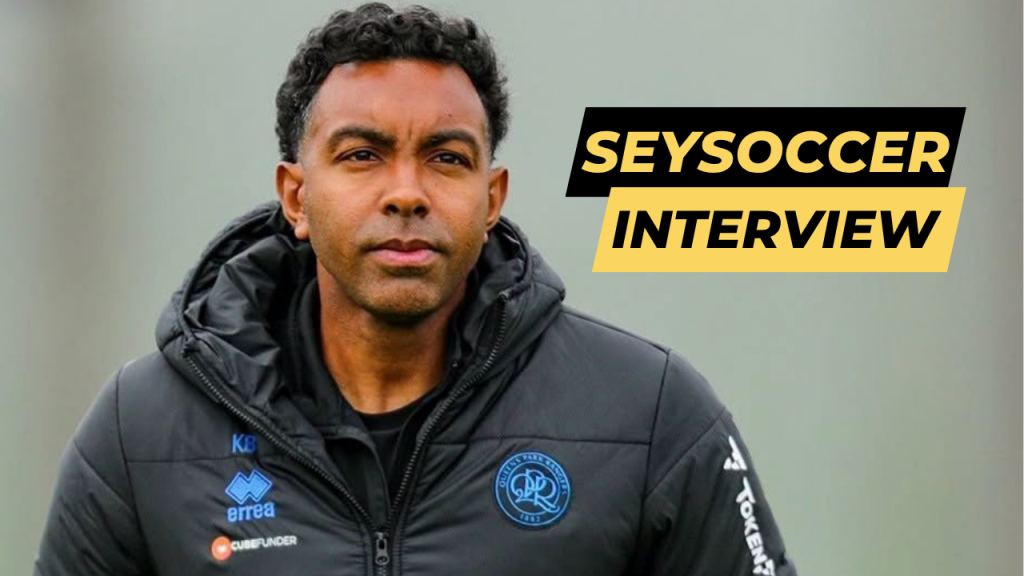
From Premier League rejection and breakthrough to the night Seychelles won football gold, Kevin Betsy reflects on his family’s football history – and explains what must change if the country wants to develop its next generation of players.
Kevin Betsy: From the Premier League to Seychelles history – and how we level up our game
Kevin Betsy’s football story stretches from the streets of East London to the Premier League, from Seychelles’ greatest night at Stad Linite to coaching some of England’s most talented young players.
Born in Seychelles and raised in England, Betsy took an unconventional route into the professional game. Rejected by professional clubs as a youngster and physically small for his age, he kept going. His breakthrough came at Woking, where his performances attracted Fulham and manager Kevin Keegan. What followed was a 15-year professional career – and a place in history as the only Seychelles-born player to have played in the Premier League.
But for Seychellois supporters, Betsy’s story is about much more than England. His father, Lewis Betsy, captained the old Rovers and later Seychelles at the inaugural Indian Ocean Island Games in 1979. Thirty-two years later, Kevin helped Seychelles go one better, scoring in the 2011 final against Mauritius and again in the penalty shootout as the country won its first football gold medal.
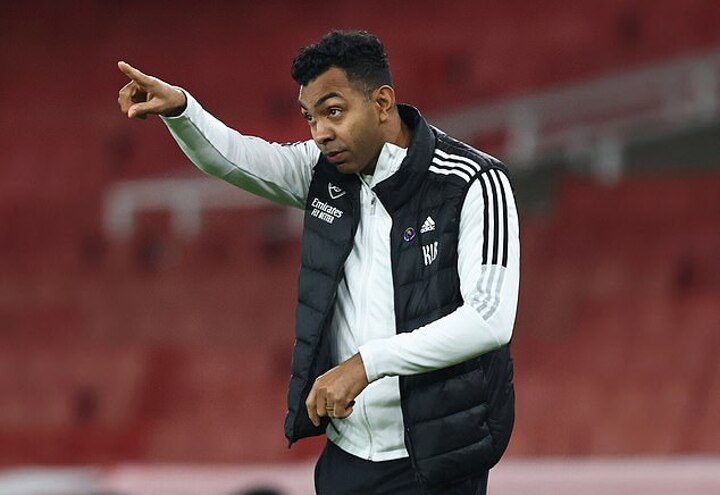
Now a professional coach in England, Betsy has worked within Fulham’s academy, England’s national youth setup, Arsenal’s U23s and senior professional football. Seysoccer spoke to him about the journey, his father, the night of 2011 – and, crucially, what Seychelles must do if it wants to produce better footballers.
From rejection to the Premier League
Betsy’s route was not the academy conveyor belt many associate with modern professional football. He remembers being technically strong but physically small, going on trials and repeatedly being told he was not good enough. He credits his parents with helping him build the resilience to continue.
“It was heartbreaking to face rejection at that age, but with Mum and Dad’s support I built some resilience to keep going.”
At 18, after growing physically and becoming more coordinated, Betsy began to stand out at Woking. Manager John McGovern gave him first-team opportunities and Betsy went on to win the National League player of the season award. Fulham, then managed by Kevin Keegan, moved for him.
“It was a dream come true to get the opportunity to become a professional – a life-changing moment.”
There was another family twist: Kevin had been named after Kevin Keegan, one of his father’s football heroes. Lewis was with him when he signed.
Lewis Betsy, Rovers and a football family
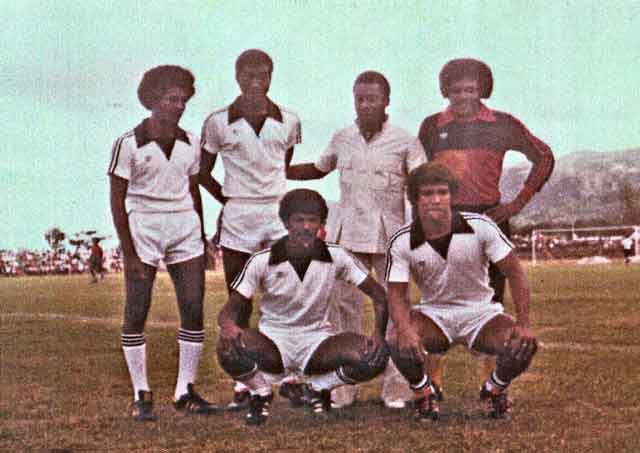
Football was already embedded in the Betsy household. Kevin describes his father as an ‘amazing role model’ and remembers Rovers kits, trophies and photographs around the family home, as well as former Rovers players who had moved to London remaining part of the family’s community.
“Football was always in our life. He gave me the love of the game.”
Kevin also reveals that his father travelled to England for a trial at West Ham United and was offered a professional contract by Leyton Orient, but ultimately chose to return to Seychelles.
With Rovers now back in the top tier of Seychelles football, Kevin says seeing the name rebuilt is special. He remembers the old yellow-and-gold kits and the stories shared by his father’s former teammates.
“Betsy, you must bring the gold”
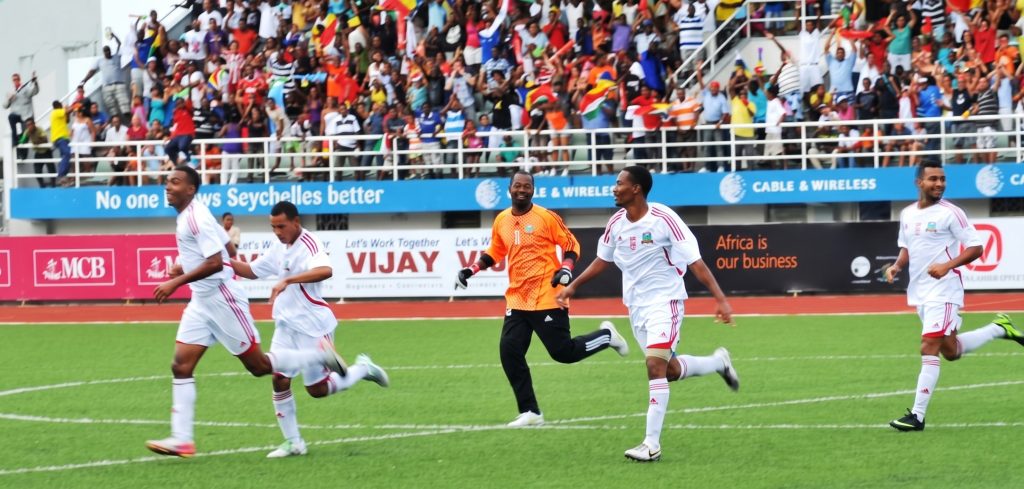
The emotional centre of Betsy’s Seychelles career remains the 2011 Indian Ocean Island Games. He says gold was always the target on home soil, with Ralph Jean-Louis and his staff creating a clear vision and players from different clubs uniting around it.
The final against Mauritius remains vivid: a packed Stad Linite, drums, whistles, noise – and pressure.
“In our down time, when I would be on the street in town or coming across the newspapers or TV and radio, all the positivity was there but always had the: ‘Betsy, you must bring the gold.’”
Betsy scored in the final and then stepped up first in the shootout. He remembers the walk to the spot feeling unusually long and narrowing his thoughts to his normal penalty process. Seychelles converted, the goalkeeper made crucial saves, and history followed.
“The smile on my Dad’s and Mum’s faces when I saw them after the game was special and will not leave me.”
The father-son connection made the moment even deeper. Lewis had captained Seychelles to silver in 1979. Kevin says he had grown up seeing that medal in the family cabinet and hearing the story – including a sense that his father still regretted not winning the final.
The question now: how does Seychelles get better?
Betsy is careful not to diagnose Seychelles football from afar without proper consultation. But his answers on player development are direct.
“I’ve never seen good players become bad players with good coaching, but I’ve seen good players become bad players with poor coaching.”
For Betsy, the foundations of elite player development have to be built early. He identifies ages six to 12 as crucial for developing technical skills, coordination and high levels of contact with the ball. If a player reaches 12 or 13 without that strong technical grounding, the pathway becomes significantly more difficult. It is not impossible to reach a high level, he stresses, but the player is already playing catch-up against youngsters in stronger football environments who have spent those formative years accumulating far more quality time with the ball.
More training alone is not the answer. Betsy warns that programmes can increase contact hours without actually coaching the right things. He argues for a carefully designed curriculum suited to the player and the local environment, while still leaving space for unstructured football – the cage, the park, the beach – where children simply play and spend time with the ball.
“Winning is not important at young ages in my view. Individual development is the most important. If you get this right then winning will naturally happen.”
At senior level, he sees improving the Seychelles Premier League as a much bigger strategic project requiring a clear vision, consultation, expertise, implementation and alignment. Full professionalism would help players train more, but Betsy argues that meaningful improvement is still possible without it if clubs maximise the limited time they have through high-quality training, clear tactical ideas and committed players.
What progress should look like
Betsy welcomed Seychelles U20’s 4-3 victory over Mauritius in the CAF U20 AFCON/COSAFA qualifying competition, but says progress cannot be judged on one result. He would look for sustained competitiveness in national-team football, stronger club performances in African competition, and younger players earning meaningful minutes in the domestic Premier League.
His larger message is that transformation cannot be reduced to one programme or one coach. Betsy points to his experience within England’s national-team system: meaningful change requires outstanding people, a clear vision, a plan and alignment across the game.
Kevin Betsy the coach
Working with elite young players reinforced something Betsy had already seen as a professional: talent is only part of the equation. He highlights mindset, application, humility and consistent elite behaviour.
His youth teams were built around possession, technically proficient players and creative freedom within a framework. Senior football has broadened that philosophy. He now places greater emphasis on purposeful possession, vertical play, defensive organisation, transition moments and set pieces.
Today, Betsy says his immediate focus is simple: becoming the best assistant head coach he can be, continuing his education and helping the head coach and players improve.
And Seychelles remains close.
“Very strong connection. I have a huge love and passion for all the people in Seychelles.”